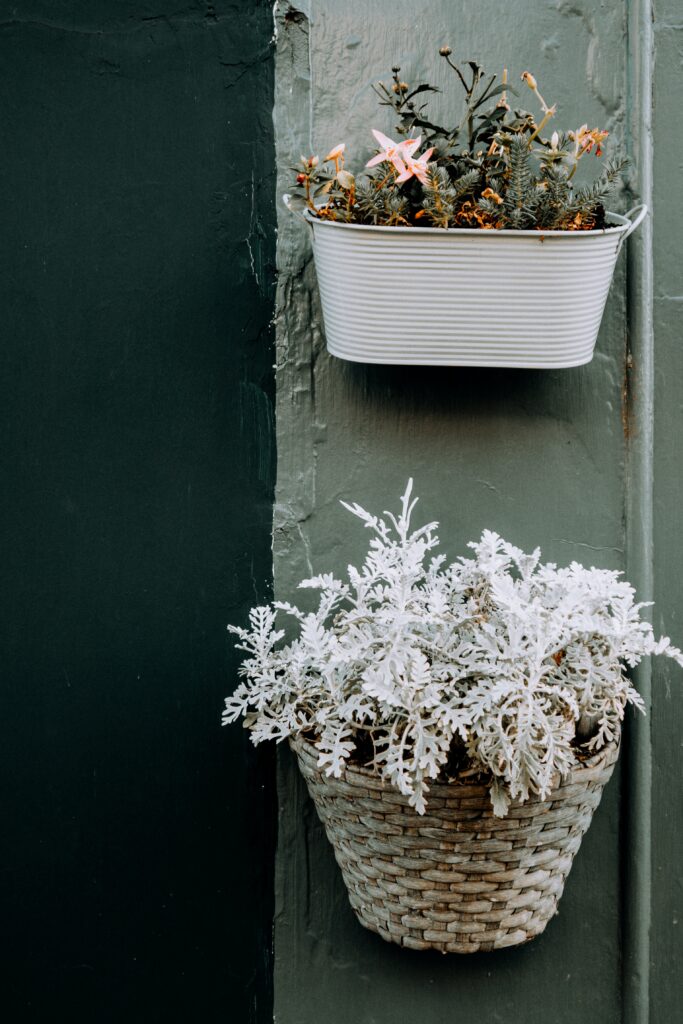
Have you ever walked or driven past a home garden and thought to yourself, “Wow, that planter is gorgeous!”? How to make planters For professional gardeners, this reaction results from both hard work and thought about what a client wants for their property—the environment of the planter and a vital element of artistic flair.
While many gardening companies differ in the services they provide, many companies offer planter design services. Such services can range from the production of small front door planters to the design of multiple coordinated, large-scale containers. Planters allow homeowners to give a seasonal flare to their property. Winter planters, for example, can showcase a mixture of plants including holly, red twig (osier) dogwood, birch branches and various seed pods and cones. Summer planters tend to utilize annual plants (those that only last the year) such as petunias, geraniums, begonias and impatiens.
Planter design is truly an art. It is certainly not as easy as simply placing your favourite flowers into a container. In fact, selecting appropriate plants is often highly dependent on the conditions in which the planter will be located. While placing a sun loving plant in shade conditions may look showy for the short term, in the long term it can lead to costs for both the company and the client when the dead plants need to be replaced.
A good understanding of what plants need and the conditions they thrive in can make the difference between a planter that lasts a few weeks versus the whole season. Such insights come with experience. As a gardening professional, taking the time to educate oneself early about proper planting techniques and learning which plants work in what conditions will benefit not just the customer, but yourself and the company you work for.
When they walk into a garden centre, most people are amazed by the wide range of plants to choose from. For the beginning professional gardener, designing planters can often lead to a similar sense of being overwhelmed. With so many planting options to choose from, where does one start? The answer to that lies in asking yourself multiple questions, especially when designing planters for someone else’s property. These questions include:
What sun/shade conditions are the planters exposed to?
How much care will these plants receive on a regular basis once in the container?
What season are you planting for?
What is the budget?
Depending on the answers to these questions, the ultimate plant selection choices will vary.
Another thing to keep in mind when designing a planter is the expression, “Fill, Thrill, and Spill”. ‘Fill’ refers to plants that increase the density or provide that full, lush planter effect. With such filler plants, prepare to buy many of them, as it is volume that provides that dense, lush look so desired by clients. Examples include begonias, coleus, or impatiens. ‘Thrill’ plants are those noteworthy species that really impress in terms of their colour, texture, or general size. Think of these plants as the star of the show! Examples range from Alocasia to Banana Plants to Canna Lilies, basically any showy plant that will capture the interest of passersby. ‘Spill’ plants are those that typically hang over the side of a container to give the planter a sense of depth and decoration. These can include Fan Flower, Lobelia, Sweet Potato Vine, and various types of ivy.
By remembering basic questions about the environment of the planter, what the client’s budget is, and “Fill, Thrill, Spill”, the professional gardener is well on the road to providing a quality planter. Whether you are looking to join the world of professional gardeners or just want to add some flare your property, use these tips to make your planters survive and thrive!